

Introduction
In an unexpected turn of events, Bitcoin has surged over 15% in the past week, reaching new highs that have taken many investors by surprise. As traditional markets face volatility, cryptocurrencies like Bitcoin and Ethereum have begun to attract attention as potential safe havens. What’s fueling this dramatic price movement, and should investors be paying attention to this trend?
Bitcoin’s Recent Surge
As of the latest market reports, Bitcoin has exceeded the $35,000 mark, a significant increase from its lows earlier this year. Experts point to several factors contributing to this surge, including renewed interest from institutional investors, growing acceptance of cryptocurrencies as alternative assets, and the ongoing uncertainty in traditional financial markets.
One major factor fueling the rally is the current economic climate, where rising inflation and interest rates have led many investors to seek alternatives to traditional assets like stocks and bonds. Bitcoin, with its decentralized nature, is being viewed by some as a hedge against inflation, similar to how gold has traditionally been used.
IntroductiEthereum and Altcoins: The Broader Crypto Market Rallyon
While Bitcoin is often the center of attention, other cryptocurrencies, including Ethereum, are also seeing significant price increases. Ethereum’s growth can be attributed to the ongoing developments in the Ethereum 2.0 upgrade, which aims to improve scalability and reduce transaction fees. As more decentralized applications (dApps) and decentralized finance (DeFi) protocols are built on Ethereum’s blockchain, the demand for ETH is expected to increase.
Beyond Bitcoin and Ethereum, altcoins like Solana, Polkadot, and Cardano are also benefiting from this bullish trend. These altcoins have gained traction due to their unique technological advancements and use cases, which differentiate them from Bitcoin and Ethereum.
Stock Market Volatility Driving Crypto Investment
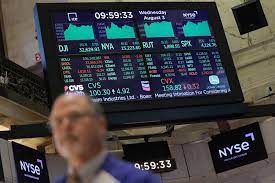
Simultaneously, the stock market has been facing increased volatility. The S&P 500 has fluctuated significantly, with rising concerns over inflation, geopolitical tensions, and supply chain disruptions. This uncertainty in traditional markets has led many retail and institutional investors to explore the cryptocurrency market as an alternative investment avenue.
Cryptocurrencies offer a level of diversification that traditional stocks and bonds do not. The ability to trade 24/7 and the increasing institutional involvement in crypto markets have made digital currencies an appealing option for investors looking to capitalize on new opportunities.
Crypto Regulation: A Double-Edged Sword?
While the cryptocurrency market has experienced an upswing, regulatory uncertainty remains a significant concern. Governments around the world, including the U.S. and China, are tightening their grip on crypto regulations. In the U.S., the SEC (Securities and Exchange Commission) has increased scrutiny on crypto exchanges and Initial Coin Offerings (ICOs), signaling a potential crackdown on certain aspects of the crypto market.
Despite these challenges, many investors are optimistic that clear regulation will lead to greater institutional involvement in the market. A more regulated environment could enhance investor confidence and lead to more widespread adoption of cryptocurrencies in both retail and institutional portfolios.
What’s Next for Crypto and Stock Markets?
Looking ahead, the future of cryptocurrencies remains uncertain, but the current trend is undeniable. Many analysts predict that the recent rally in Bitcoin and other cryptocurrencies could signal a new era of growth for the digital asset class. As more institutional players enter the space and as technological advancements continue to unfold, the crypto market could see continued bullish momentum.
At the same time, stock markets are expected to remain volatile, with investors closely monitoring economic indicators and central bank policies. In this environment, cryptocurrencies are likely to continue drawing interest as alternative assets that offer a hedge against traditional market risks.
Conclusion
The surge in Bitcoin and the broader cryptocurrency market is a reflection of the growing acceptance of digital currencies as viable investment assets. As the market continues to mature and regulatory frameworks evolve, cryptocurrencies could play an even more significant role in the global financial ecosystem. However, given the inherent volatility of the crypto space, investors should proceed with caution and consider their risk tolerance before diving into this exciting but unpredictable market.